
Water Seeping Through Floors Could Be a Slab Leak
Water or unusual warmth coming up through flooring is more than a nuisance. A hidden slab leak or a broken drain line can cause structural damage, mold, high water bills, and unsafe conditions if ignored.Why Are My Floors Wet or Hot
Water seeping through floors
Moisture rising through tile, wood, or carpet often points to a slab leak. Pipes beneath the concrete foundation can crack or burst and allow water to escape upward.Hot floors in the house
Warm areas underfoot are a common warning sign of a hot water line leaking under the slab.- Warm patches when walking barefoot
- Heat that spreads through tile, wood, or carpet
- Hot spots in halls, kitchens, or bathrooms where hot lines run
Causes of Hot Floors
- Leaking hot water line under the slab is the most common cause
- Excessive water pressure or poor installation that stresses piping
- Corroded copper or galvanized piping that weakens over time
- Soil movement that shifts pipes until cracks form
Why Hot Floors Mean Trouble
- Higher water bills from constant leakage
- Floor damage such as warped wood, cracked tile, or loose grout
- Mold growth from hidden moisture under flooring
- Weakened foundation from long term saturation
How We Detect Hot Floor Slab Leaks
Plumbing Solution Specialist uses advanced tools to locate the leak path without guesswork.- Electronic listening to detect the sound of escaping water
- Infrared thermal imaging to reveal hot water leaks under the slab
- Moisture mapping to show how water spreads beneath flooring
- Camera inspections to confirm broken or offset drain pipes
How We Fix Hot Floors Caused by Slab Leaks
Repair options
- Direct pipe repair at the leak location through a targeted opening
- Reroute new water lines through walls or ceilings to bypass failed slab lines
- Whole house repipe with PEX or copper when multiple failures indicate system wide issues
Frequently Asked Questions
Why do my floors feel warm in certain spots
Most often a hot water slab leak beneath the foundation. Professional testing confirms it.Does a hot floor always mean a leak
No. Radiant heat or nearby appliances can create warmth. Slab leaks are still a top cause and should be ruled out.How do plumbers fix a hot floor slab leak
We either repair the exact leak, reroute piping, or repipe the system based on damage, access, and long term value.Get Professional Help Today
If you feel hot floors or see water seeping through flooring, do not wait. These are classic slab leak warning signs. Our licensed team provides slab leak detection and repair across Orange County, Los Angeles, and surrounding areas.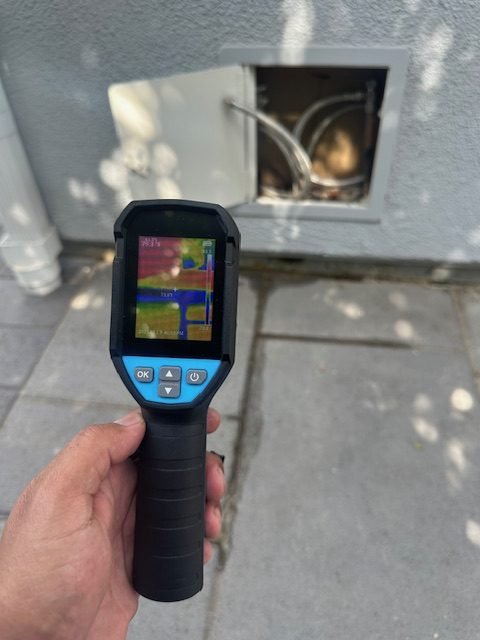
Water Seeping Through Floors Could Be a Slab Leak
Water rising through tile, wood, or carpet often points to a failure beneath the concrete foundation. A damaged pressure line or a broken drain can let water travel upward and spread under finishes. Acting early limits structural damage, mold, and high water bills.What Causes Water to Come Through Floors
- Cracked or burst hot water line under the slab.
- Broken drain or sewer section that releases wastewater into the soil.
- Installation or pressure issues that stress pipe runs and fittings.
- Soil movement that shifts pipes until they fail.
How to Tell It Is More Than a Surface Spill
- Persistent damp areas that return after mopping
- Warm patches on the floor over hot water routes
- Sound of water when fixtures are off
- Unexplained increase in your water bill
How We Pinpoint the Source
Plumbing Solution Specialist uses targeted tests so you avoid guesswork and unnecessary demolition.- Acoustic listening to identify the sound of escaping water under concrete.
- Thermal imaging to trace hot water lines and locate temperature anomalies.
- Moisture mapping to define the spread beneath flooring.
- Camera inspection when a drain or sewer break is suspected.
Repair Options That Limit Disruption
- Direct access repair. Open a small area and fix the single failure.
- Reroute. Bypass the failed slab line with new runs through walls or attic.
- System upgrade. PEX or copper repipe when multiple leaks indicate wide spread wear.
FAQs
Is water through the floor always a slab leak
No. Roof runoff, appliance overflow, or a nearby bath can mimic a slab issue. Testing confirms the source before any demolition.How long do repairs take
Many homes finish in one to three days depending on access and whether a reroute or repipe is needed.Can slab leaks cause mold
Yes. Trapped moisture beneath flooring can support mold growth if not dried and repaired.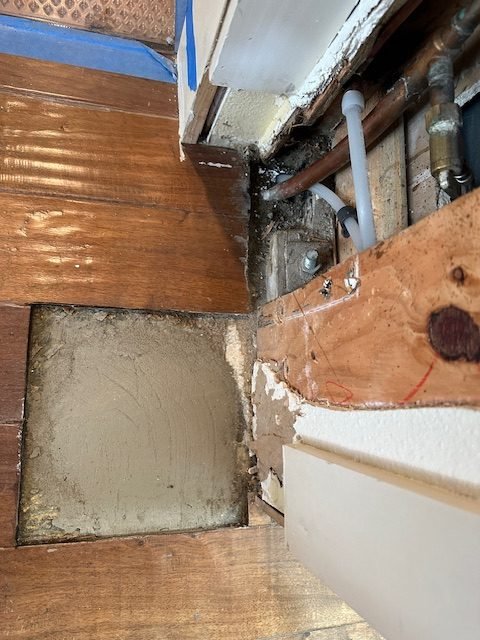
Garbage Disposal Repair Service in South California
Is your garbage disposal not working? This can be a very frustrating issue because garbage disposals are usually very reliable appliances. They are low maintenance and rarely required repairs.
Unfortunately, a broken garbage disposal can cause many serious problems such as clogged sinks, foul odors, and leaks. In this article, let’s go over a few things you can do when encountering garbage disposal problems and whether you should replace your unit altogether.
When To Repair Your Garbage Disposal Unit
Unit Is Not Turning On
A garbage disposal that’s not turning on can be the source of many headaches. Many times, it could be a sign of serious damage to your unit. Other times, it could just be as simple as re-inserting a loose power cord.
First, NEVER put your hand inside the garbage disposal when the power is on. Always disconnect the unit first before attempting to fix it. The unit could start spinning at any moment and cause serious injury. If your garbage disposal is hardwired, contact a licensed technician to have it looked at.
Sometimes, there could be a loose connection between your unit and the outlet. Simply firmly re-insert the power cord into the outlet.
If your garbage disposal is still not turning on, find a red switch that’s usually located at the bottom of the unit. Press the button if it has popped outward to reset the unit.
If that doesn’t work, locate and open the main circuit breaker to see if it has tripped. Firmly switch the breaker to the “off” position and then switch the breaker back to the “on” position.
If all the above methods failed, contact The Best Repipe Company for a service appointment.
Jammed Garbage Disposal Unit
If your garbage disposal is humming but not spinning, an object could have jammed it. Locate a hole at the bottom of the unit and stick an Allen wrench in to turn it back and forth. This will free up any objects or debris that are blocking the blades. Some brands such as InSinkErator comes with a wrench for this purpose.
If your unit doesn’t have a hole at the bottom, use a long stick such as a broom handle to turn the blade from the top. Alternatively, you can buy a third-party unjamming wrench, which is a T-shaped wrench to help you spin the blade easier.
Be careful not to turn the entire unit, which could loosen the seal rings and cause water to leak.
Again, NEVER put your hand down the sink, the garbage disposal could spin at any second and cause injury to your arm.
If your garbage disposal is still jammed, it’s likely that an object was stuck in a way that can’t be unjammed by a wrench. In such case, contact a licensed plumber to safely remove and replace the unit.
Garbage Disposal Unit Drains Slowly
A sink that drains slowly will prevent dirty water from going down properly and create foul odors, which cause major disruptions to your daily cleaning routine. This can be caused by several factors including your garbage disposal and/or drainpipes.
When a garbage disposal is unable to grind up certain types of waste, it can build up, causing a clog within the unit. Waste can also build up in the P-trap, which is a U-shape drainpipe that’s connected to the garbage disposal. In such cases, it is actually the drainpipe that is causing the clog, not your garbage disposal. Contact our licensed plumbers to remove and clean up the P-trap.
To prevent sink clogs, avoid putting the following items down the drain:
- Oil/fat
- Pasta, rice
- Fibrous foods
- Fruit peels
- Hard items such as seafood shells and nuts
When to Replace Your Garbage Disposal Unit
Leaking Garbage Disposal Unit
A leak usually indicates a more serious problem with either the garbage disposal or the drainpipe. The fixes will vary depending on the location of the leak. It is recommended to contact a plumber as soon as possible to prevent water from seeping through the furniture and restore the functionality of the unit.
- If water is leaking from the drainpipe, a connection likely needs to be tightened.
- If water is leaking at the top of your garbage disposal, the sink flange seal could be loose or broken. You will need a new unit.
- If water is leaking at the bottom of your garbage disposal, a sharp object could have damaged the plastic body or the internal seals of the unit. Your garbage disposal will need to be replaced.
Old And Failing Garbage Disposal
In some cases, a garbage disposal is simply too old and has developed severe rusts and cracks within. Trying to unjam the unit by spinning the blades could loosen the entire unit cause a leak.
Garbage Disposal Installation Service
Let us tackle your garbage disposal problems so that you don’t have to. Whether it is a jammed or clogged disposal, we make the repairs or replacement efficient and cost-effective.
What Is Included In The Service?
- Inspection of your sink and garbage disposal for damages and leaks
- Repair the garbage disposal and/or drainpipe if deemed suitable
- Remove and install a new garbage disposal if the unit is beyond repair
- Disposal of the old unit
How Long Does A New Garbage Disposal Last?
You can expect a new garbage disposal to last about 8 to 10 years. This depends on each individual models and your usage. Here are some tips to maximize your unit’s lifespan.
Tips For Maintaining Your Garbage Disposal
Run Garbage Disposal Even When You Don’t Need It
Run your unit every so often with water even when there’s no waste to grind. A garbage disposal that has been idling for too long can develop rusts and become jammed.
Avoid Cleaning Your Unit With Commercial Drain Cleaner
Harsh chemicals do clean your sink to some extent. However, it will also weaken the pipe, which could cause a leak in the long term. Instead, clean your garbage disposal regularly with vinegar and baking soda. If your garbage disposal is causing smells, use cut-up lemon wedges along with warm water to neutralize the odors.
Never Put These Items Down Your Garbage Disposals
Despite its name, a garbage disposal cannot handle all types of garbage. Putting the wrong types of waste in your unit could cause your sink to clog and leak. Never put the following items down your garbage disposals:
- Coffee grounds
- Pasta/rice/oatmeal
- Celery
- Eggshells
- Banana/ potato peels
- Bones/ plastic pieces
- Pits
- Seafood shells
Other Plumbing Services for the South California Area
Some of our other plumbing services available to the South California area include:
To view the full list of our plumbing services, visit our main plumbing page.