
Say Goodbye to Leaks – Whole House Repiping Solutions in Placentia, California

Most homeowners in Placentia, California, face the frustrations and potential dangers of plumbing leaks that can damage your property and increase your water bills. Consider the peace of mind that comes with whole house repiping, a comprehensive solution to eliminate leaks and provide you with a durable plumbing system. With various options available, you can protect your home from future issues and enhance your property’s value. Discover how repiping can save you time, money, and stress, and ensure your plumbing operates smoothly for years to come.
Key Takeaways:
- Whole house repiping is an effective solution to eliminate leaks and improve overall plumbing performance in Placentia homes.
- Repiping can enhance water quality, reduce the risk of water damage, and increase the longevity of your plumbing system.
- Professional services in Placentia ensure that the repiping process is efficient, with minimal disruption to your daily life.
The Urgency of Addressing Plumbing Problems
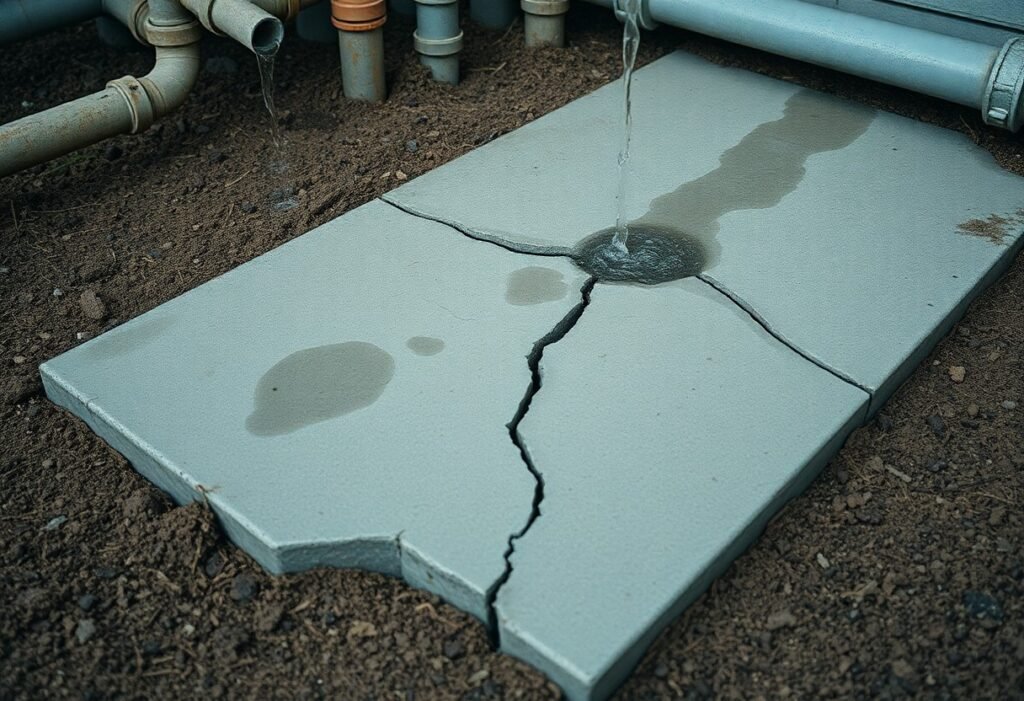
Ignoring plumbing issues can lead to a cascade of complications. Delays in addressing leaks or pipe deterioration often escalate minor inconveniences into major repairs. You may notice the water bill steadily rising or spots of mold appearing on your walls, signaling underlying problems. Each drop wasted not only affects your finances but also the structural integrity of your home. Timely action is imperative to avoid further damage and preserve your property’s value.
Identifying Common Signs of Unseen Leaks
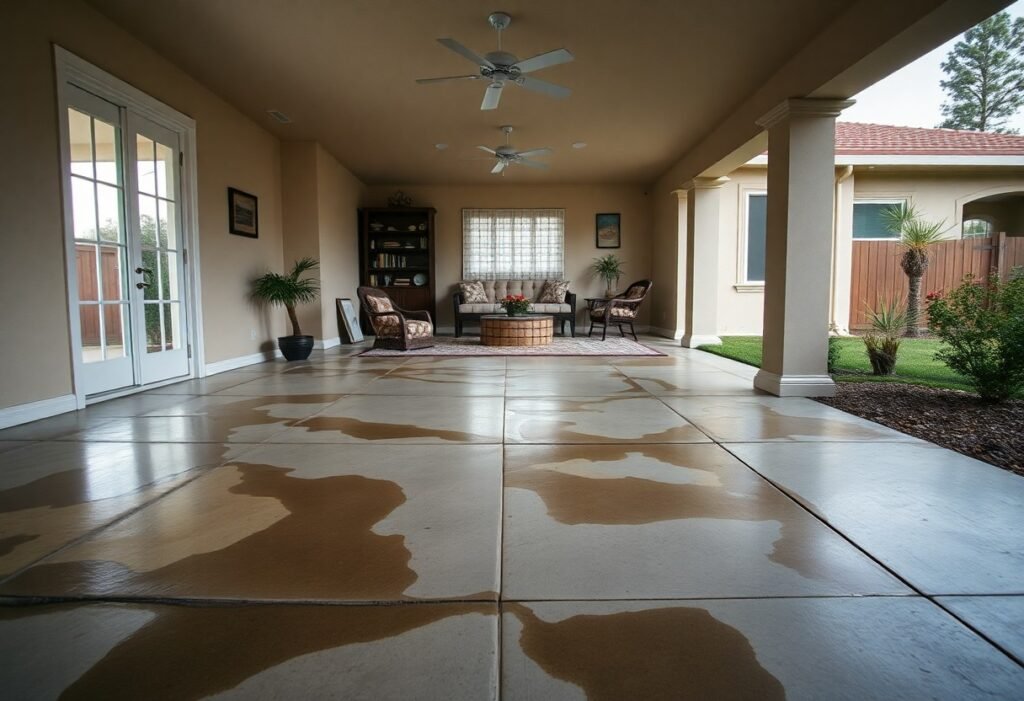
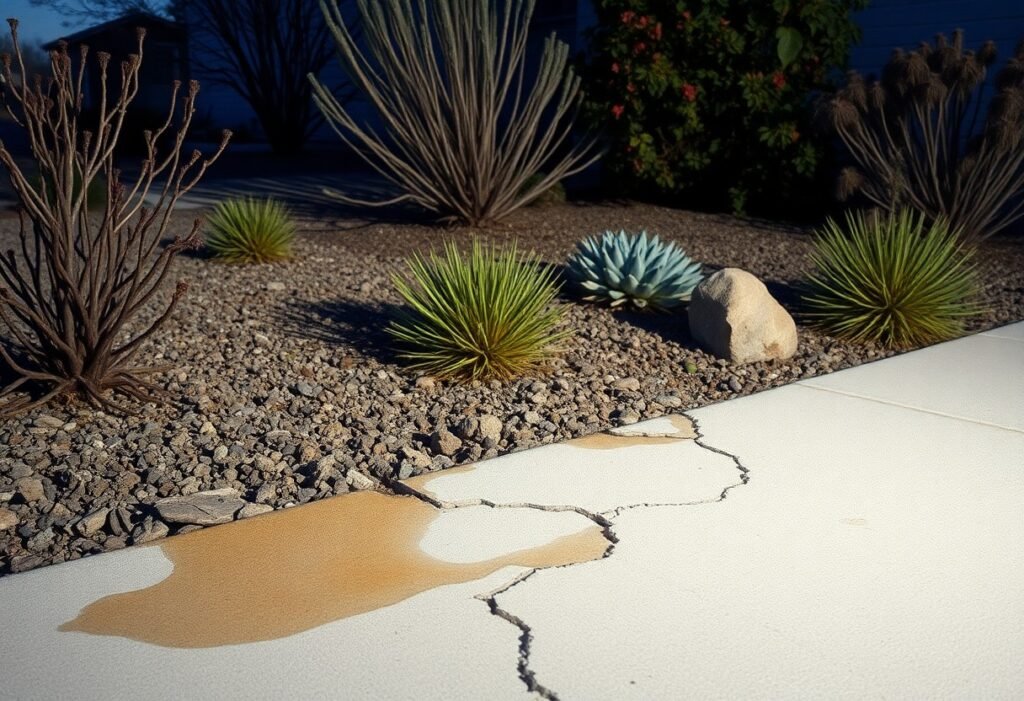
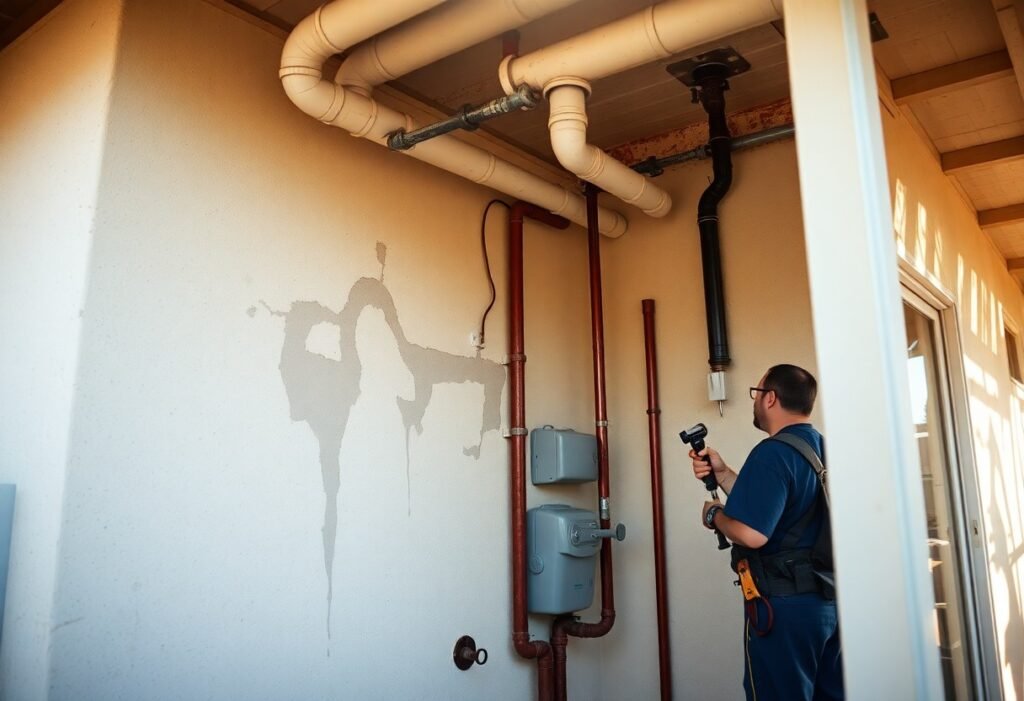
Unseen leaks often manifest through subtle indicators that can be easily overlooked. Look out for water stains on walls or ceilings, an unexplainable increase in your water bill, or the sound of dripping when all faucets are turned off. Musty odors or the emergence of mold are also strong clues that something isn’t right within your plumbing system. Addressing these signs quickly is key to preventing extensive damage and ensuring the long-term health of your property.
The Costly Consequences of Neglecting Repiping
Neglecting to repipe your home can lead to disastrous financial implications. Water damage can compromise the foundation of your home, necessitating costly structural repairs that easily run into the thousands. As pipes corrode and degrade, they may release harmful chemicals into your household water supply, posing health hazards to your family. Additionally, insurance claims related to water damage can be a nightmare, often leading to higher premiums or denial of coverage altogether. Making the decision to invest in repiping now can save you from these exorbitant costs down the line.
Evaluating Your Home’s Plumbing System: Is Repiping Necessary?
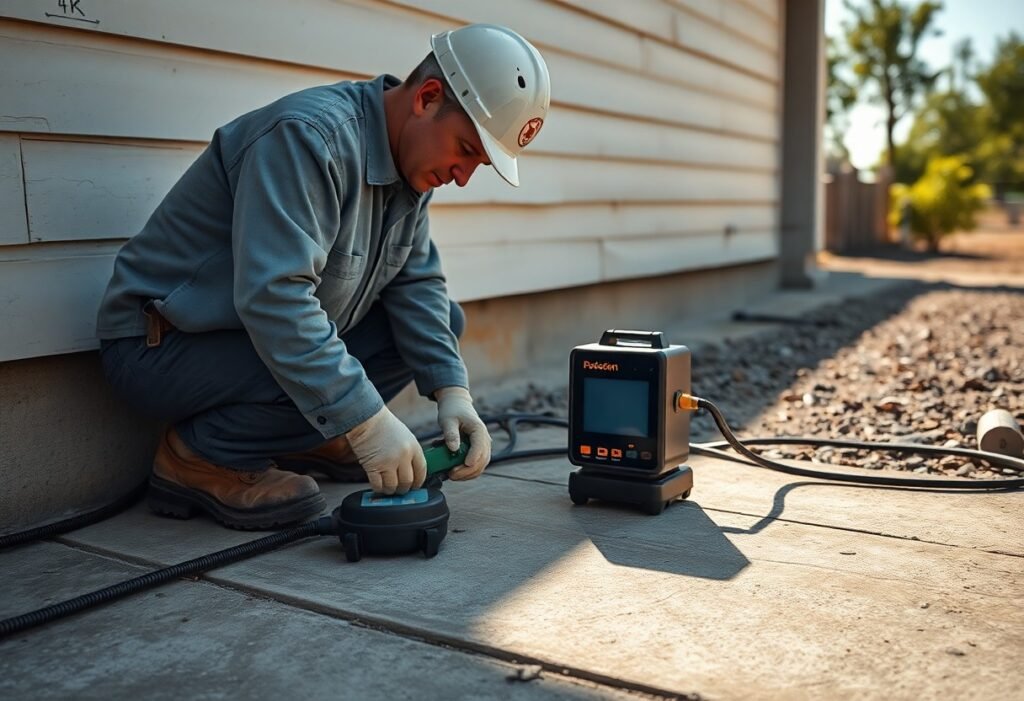
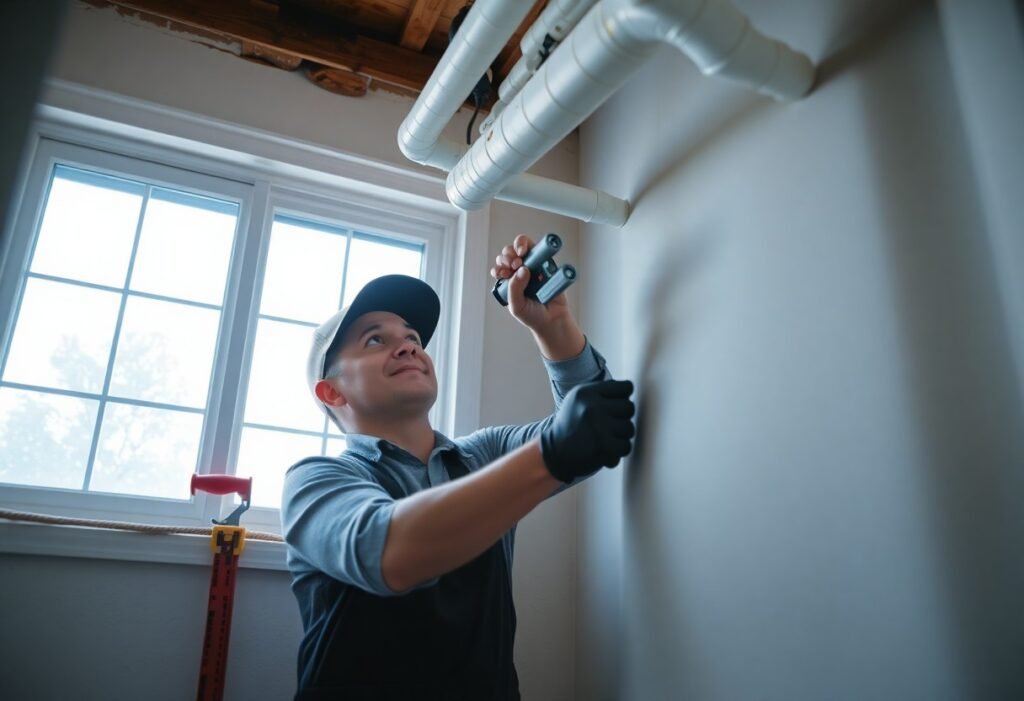
Assessing your home’s plumbing system is the first step towards determining if repiping is required. Look for specific signs like water discoloration, fluctuating water pressure, or frequent leaks. A thorough inspection reveals not just current issues but potential future challenges, giving you a clearer picture of your home’s plumbing health. Understanding the materials and age of your pipes can further inform your decision.
Age and Material: Key Factors to Consider
Knowing the age and material of your plumbing is instrumental in evaluating repiping necessity. Homes older than 30 years often contain galvanized steel or polybutylene pipes, which are more prone to corrosion and leakage. If your home features any of these outdated materials, it’s likely that you’ll benefit from a complete repiping. Repiping can greatly enhance both the longevity of your system and your overall water quality.
- Age of your pipes
- Material type (galvanized, polybutylene, copper)
- Frequency of leaks
- Water quality issues
Any evaluation should take these factors into account to avoid potential failures!
Common Issues Indicating the Need for a Full Repiping
Persistent plumbing issues are significant indicators that a full repiping might be necessary. You may notice recurring leaks, inconsistent water pressure, or rust-colored water that suggests pipe deterioration. Additionally, an increase in your water bill could signal that your pipes are leaking excessively. Such indicators not only diminish your home’s comfort but can also lead to extensive and costly damage if left unaddressed.
Homeowners often overlook gradual water damage, which can eventually escalate into serious structural issues. Regularly inspecting your pipes for signs of wear, such as cracks or leaks, ensures that you stay ahead of costly repairs. In some cases, even your neighbors’ experiences with similar plumbing setups can signal the need for replacement. If you find yourself troubleshooting the same plumbing problems repeatedly, pursuing a repiping solution may not only save you money but also protect your home’s integrity.
The Repiping Process: What to Expect
Embarking on a repiping project may feel daunting, but understanding the process can ease your concerns. Throughout the job, expect personalized service tailored to your needs. A detailed assessment will identify the scope of work, and experienced professionals will guide you every step of the way. For dependable repiping solutions, visit Repipe1: PEX & Copper Repiping in Orange County, CA.
Planning and Preparation: Setting the Stage
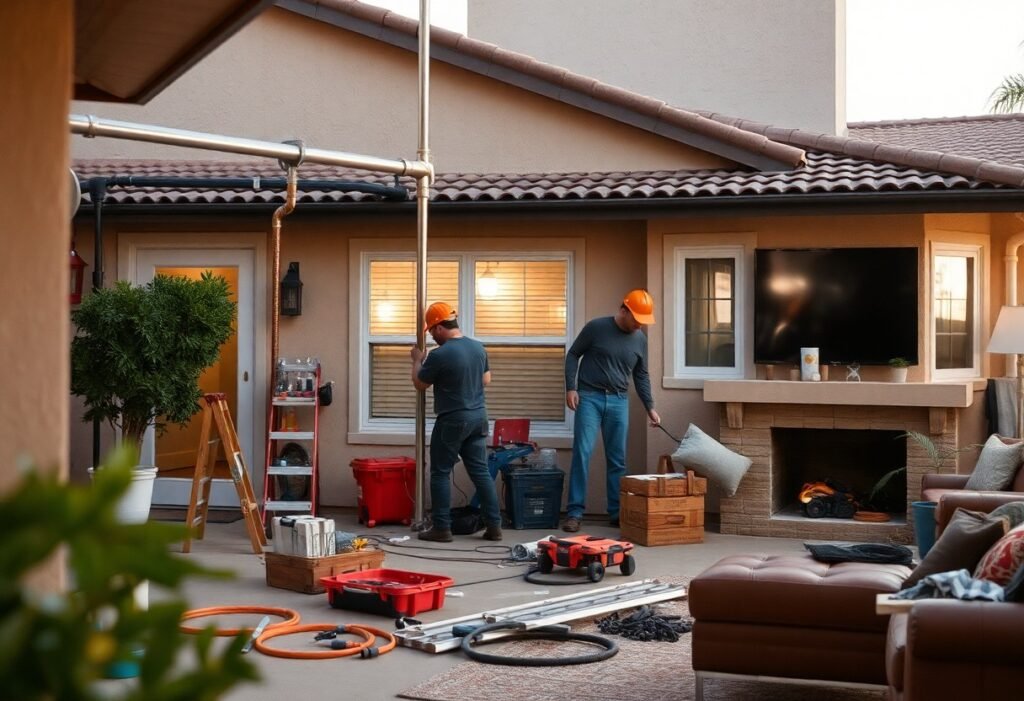
Initial steps involve a thorough examination of your plumbing system. You’ll need to discuss your goals and expectations with your contractor to align on the project’s scope. A timeline will be established, outlining when work will start and finish. This preparation ensures that the team can plan for necessary permits and materials while minimizing disruption to your daily routine.
The Step-by-Step Repiping Procedure
The repiping process can be broken down into clear steps for ease of understanding. Below is a concise overview of each phase:
Repiping Steps
| Step 1: Assessment | Inspect current plumbing and determine the problem areas. |
| Step 2: Planning | Create a detailed plan, including materials, timelines, and costs. |
| Step 3: Preparation | Shut off the water supply and prepare the area to avoid damage. |
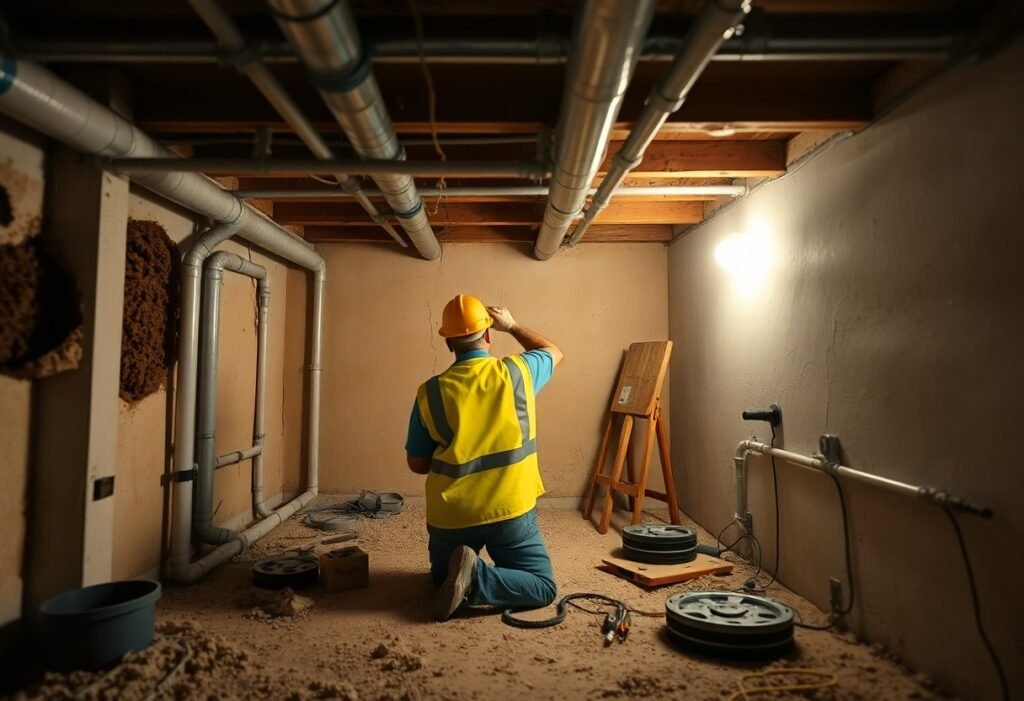
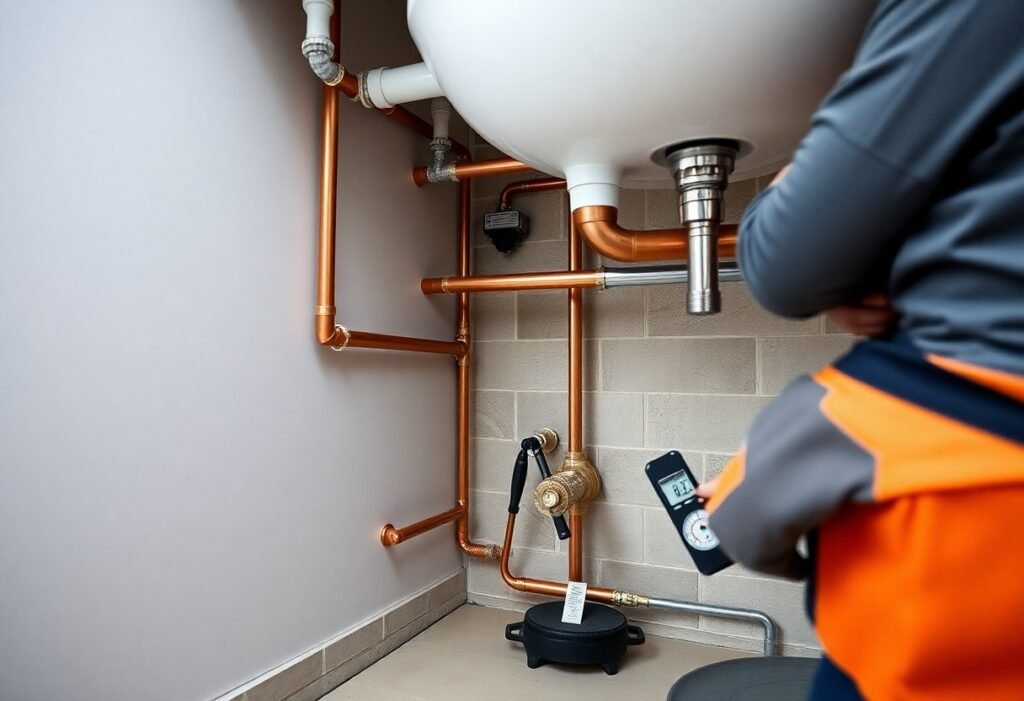
| Step 4: Repiping | Remove old pipes and install new PEX or copper fittings. |
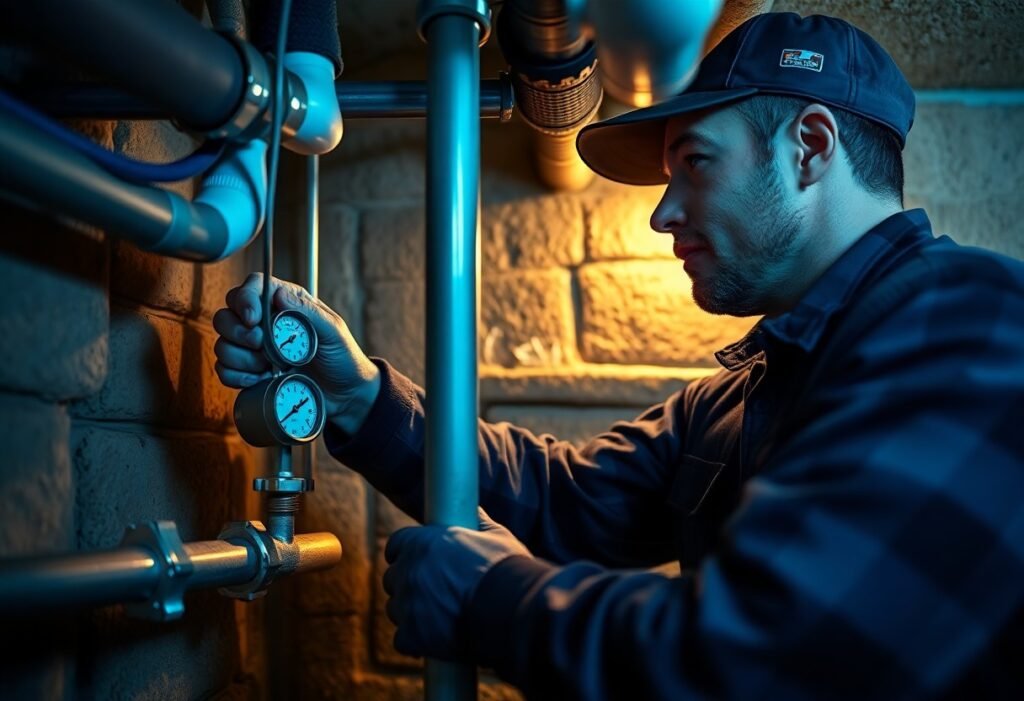
| Step 5: Testing | Conduct pressure tests to ensure there are no leaks. |
| Step 6: Clean-Up | Restore affected areas and ensure your home is left tidy. |
Each stage plays a vital role in achieving a successful repiping outcome. After the assessment, the planning stage focuses on selecting the right materials, choosing between PEX or copper, and estimating costs to fit within your budget. During the installation phase, the team removes the existing plumbing with care and installs high-quality pipes, testing them thoroughly to ensure durability. You can expect your home to be thoroughly cleaned up after the project, leaving no evidence of the work done, other than the improved plumbing system.
Choosing the Right Materials for Your Home
Selecting the right materials for repiping your home is a key decision that can influence both performance and longevity. Various options are available, including copper, PVC, CPVC, and PEX, each bringing distinct characteristics to the table. Your choice could impact not only the efficiency of your plumbing system but also the overall cost and value of your property. Understanding the advantages and disadvantages of these materials ensures you make an informed decision tailored to your needs.
Advantages and Disadvantages of Common Repiping Materials
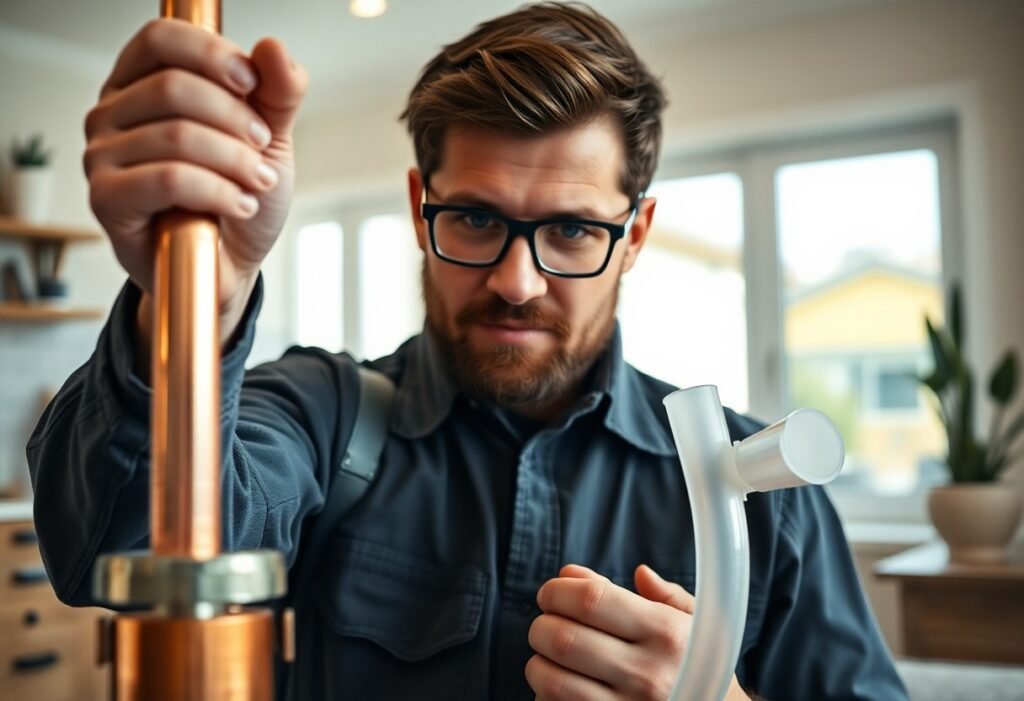
Copper pipes are renowned for their durability and resistance to corrosion but can be expensive and require professional installation. PVC is lightweight and affordable, yet it’s not suitable for hot water lines. PEX offers flexibility and ease of installation, but exposure to UV light can degrade it, making it unsuitable for outdoor use. Each material presents its own trade-offs, and weighing these can help you determine what best fits your home’s plumbing needs.
How Material Choice Affects Long-Term Value
The choice of material significantly impacts the long-term value of your property. High-quality materials, like copper, enhance your home’s durability and may attract potential buyers. Conversely, cheaper options such as PVC can lead to future plumbing issues that could lower your property’s resale value. Investing in reliable pipes can equate to lower maintenance costs and greater peace of mind over the years.
When considering how material choice affects long-term value, think not only about current performance but also future implications. For instance, using PEX might save you on initial costs, but if it leads to frequent leaks or replacements, that investment could backfire. Historical data shows that homes with copper piping typically see higher resale values due to their longevity and reliability. A well-chosen repiping solution means protecting your investment and minimizing unexpected expenses, setting you up for greater financial stability down the road.
Finding Your Trusted Plumber in Placentia
Your home deserves the best care, especially when it comes to plumbing. Locating a reliable plumber in Placentia can significantly impact the success of your repiping project. Seek professionals with strong community ties and positive customer reviews, as these indicators often reflect quality workmanship. Also, consider looking for licensed and insured providers, ensuring that your investment is protected against potential mishaps during the repiping process.
Key Qualities to Look for in Plumbing Professionals
Experience and expertise are paramount in plumbing, particularly for extensive projects like repiping. You should also seek professionals who communicate clearly, offer timely service, and show a genuine commitment to customer satisfaction. Technicians should be able to diagnose your plumbing issues accurately and provide tailored solutions. Additionally, their punctuality and respect for your home during the project is crucial for a positive experience.
Questions to Ask Before Hiring
Asking the right questions can guide you towards the best plumbing professional for your repiping needs. Inquire about their experience with repiping projects, backgrounds in specific materials, and their approach to emergencies. Understanding their pricing structure, warranties, and timelines can also offer valuable insights into their service quality. A reputable plumber will welcome your inquiries and provide detailed answers.
In your conversations, don’t hesitate to ask how long they’ve been in business specifically handling repiping. Details about their licenses and insurance coverages are non-negotiable, as these can protect you from liabilities. Request references from previous clients and look for any portfolio of completed projects. By asking these questions, you can gain confidence in your choice, ensuring you choose a plumber who aligns with your expectations for quality and reliability.
Conclusion
So, if you’re tired of dealing with leaks and outdated plumbing in your home, consider whole house repiping solutions in Placentia, California. This proactive approach not only enhances the reliability of your plumbing system but also increases your home’s value and efficiency. By investing in modern piping materials and expert installation, you can enjoy peace of mind knowing your home is protected against future leaks. Take the first step towards a leak-free home today and experience the benefits of a thorough repiping project tailored to your needs.
FAQ
Q: What are the signs that my house needs repiping?
A: There are several indicators that your home may require repiping. Persistent leaks in different areas of the house, noticeable water discoloration, a sudden spike in your water bill, or low water pressure can all be signs of deteriorating pipes. Additionally, if you frequently experience clogs or hear unusual noises in your plumbing system, it might be time to consider a whole house repiping solution.
Q: How does the repiping process work in Placentia, California?
A: The repiping process typically begins with an initial assessment where a professional plumber evaluates your existing plumbing system. They will identify the materials used and the extent of any damage. After the evaluation, the plumber will prepare a detailed plan for replacing old pipes with new, durable materials commonly used, such as PEX or copper. The installation may take a few days to complete, depending on the size and complexity of your home’s plumbing system, and the team will ensure minimal disruption to your daily activities during the process.
Q: What are the benefits of choosing whole house repiping over repairing individual leaks?
A: Opting for whole house repiping offers several advantages compared to merely repairing individual leaks. Firstly, it addresses the root cause of plumbing issues by replacing worn-out pipes, reducing the risk of future leaks. This comprehensive solution enhances your home’s water quality and pressure, and can increase property value. It can also provide peace of mind, as homeowners can avoid ongoing maintenance and emergency repairs associated with an aging plumbing system. Additionally, modern materials used in repiping are often more resistant to corrosion and scaling, resulting in a longer-lasting plumbing system.